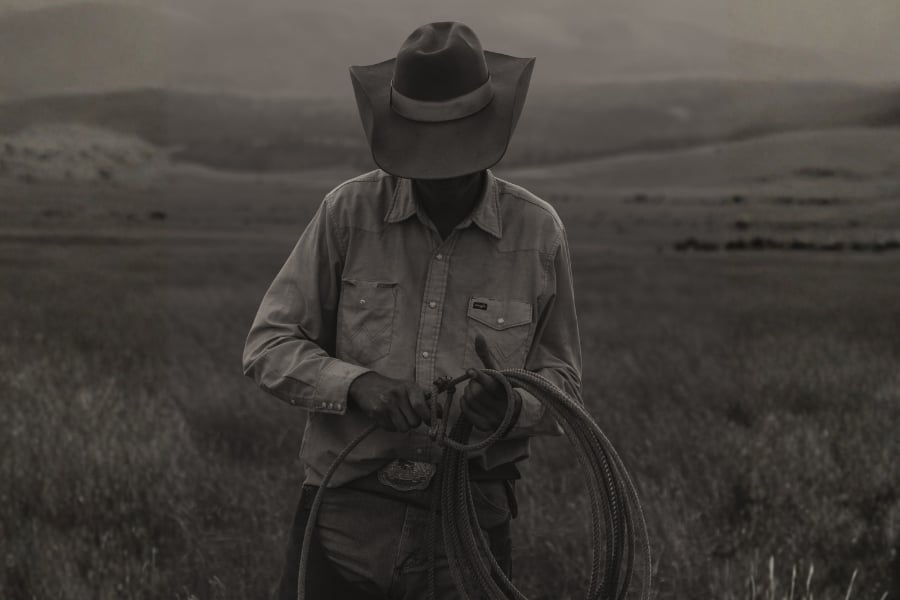
The Cowboy's Real Skill Was Understanding Land
Local Blog Charlotte Durham August 7, 2026
Local Blog Charlotte Durham August 7, 2026
The most useful thing a cowboy ever did had nothing to do with cattle.
It was reading country. Knowing which draw held snow into June and which one blew clean by March. Knowing where the water surfaced in a dry year, which slope greened up first, where the wind came from in a storm and where an animal would go to get out of it. That knowledge was not written down anywhere. It was accumulated by someone who paid attention to one specific place for a very long time, and it was the difference between an outfit that made it and one that did not.
We have kept the hat and mostly lost the habit. Which is a shame, because the habit is the part that actually matters.
Every piece of ground in this valley is already telling you what it is.
The aspen stand marks where the water sits. The old fence line running through the middle of nothing tells you two operations used to meet there. The two-track that curves instead of going straight is curving for a reason someone learned the hard way. A hillside that stayed timbered while everything around it got cleared usually stayed timbered because clearing it did not work.
None of this shows up in a listing. All of it is legible if you walk slowly and ask the right questions, and most of it was figured out by somebody a hundred years ago who then had the decency to leave the evidence in place.
The word owner does a lot of work in this business, and it oversells the situation.
Ranch families in Montana talk about their land in terms of generations rather than titles. The current name on the deed is understood to be temporary. What matters is what condition the place is in when it moves to the next name, and everyone who has actually run a place here knows the ground will outlast them by an order of magnitude that makes the whole idea of ownership feel a little presumptuous.
That framing is not sentimentality. It is the only accurate way to think about an asset that predates you by ten thousand years and will be here long after the house you build on it has been torn down and replaced twice.
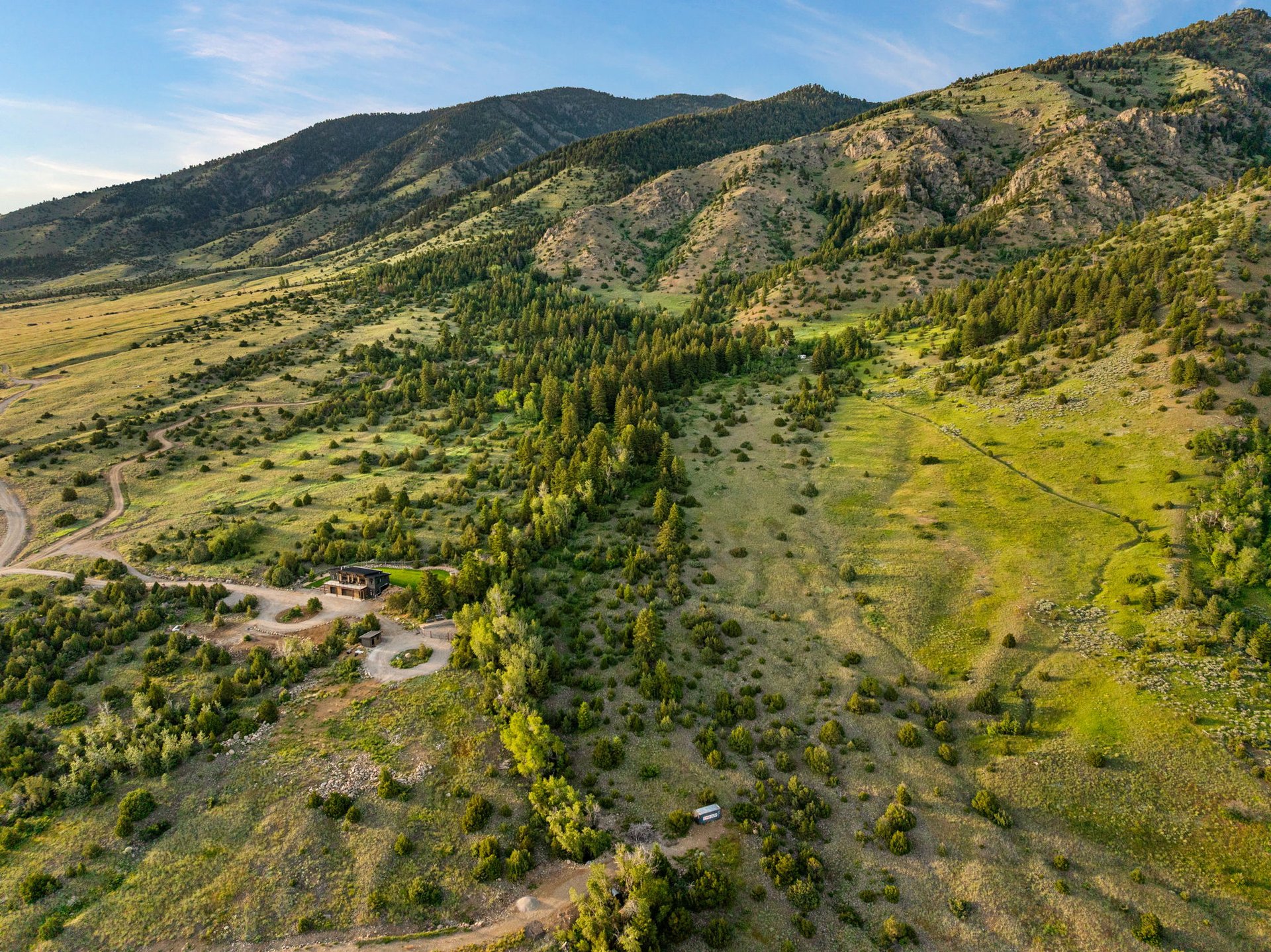 The Obligations Come With It
Land here arrives with a set of duties that do not appear on a closing statement.
Water rights in Montana have to be put to beneficial use or they can be lost, which means a right that has been in a family since territorial days can quietly evaporate under an owner who never bothers to irrigate. Noxious weeds are a legal responsibility and a neighborly one, and leafy spurge does not respect a property line. Elk and mule deer move through this country on routes they established long before anyone platted anything, and a fence built without regard for that becomes a problem for every operation downstream of it.
None of that is enforced by anyone standing over you. It is enforced by consequence, which is slower and considerably less forgiving.
This is the piece newcomers underestimate most.
Out here your fence is shared, your road may be shared, your ditch may be shared, and the fire that starts on somebody else's grass does not check the survey before it moves. Montana people have always looked out for each other, that is simply the culture here, and it runs deeper than practicality. The cowboy ethic was never really about rugged individualism. It was about showing up for your neighbors because that is what good people do, and because out here, everyone eventually needs a hand.
Buying land here means joining that arrangement whether you intended to or not. The good news is that it works, and that showing up once for someone else's problem buys you more standing in this valley than any amount of anything else.
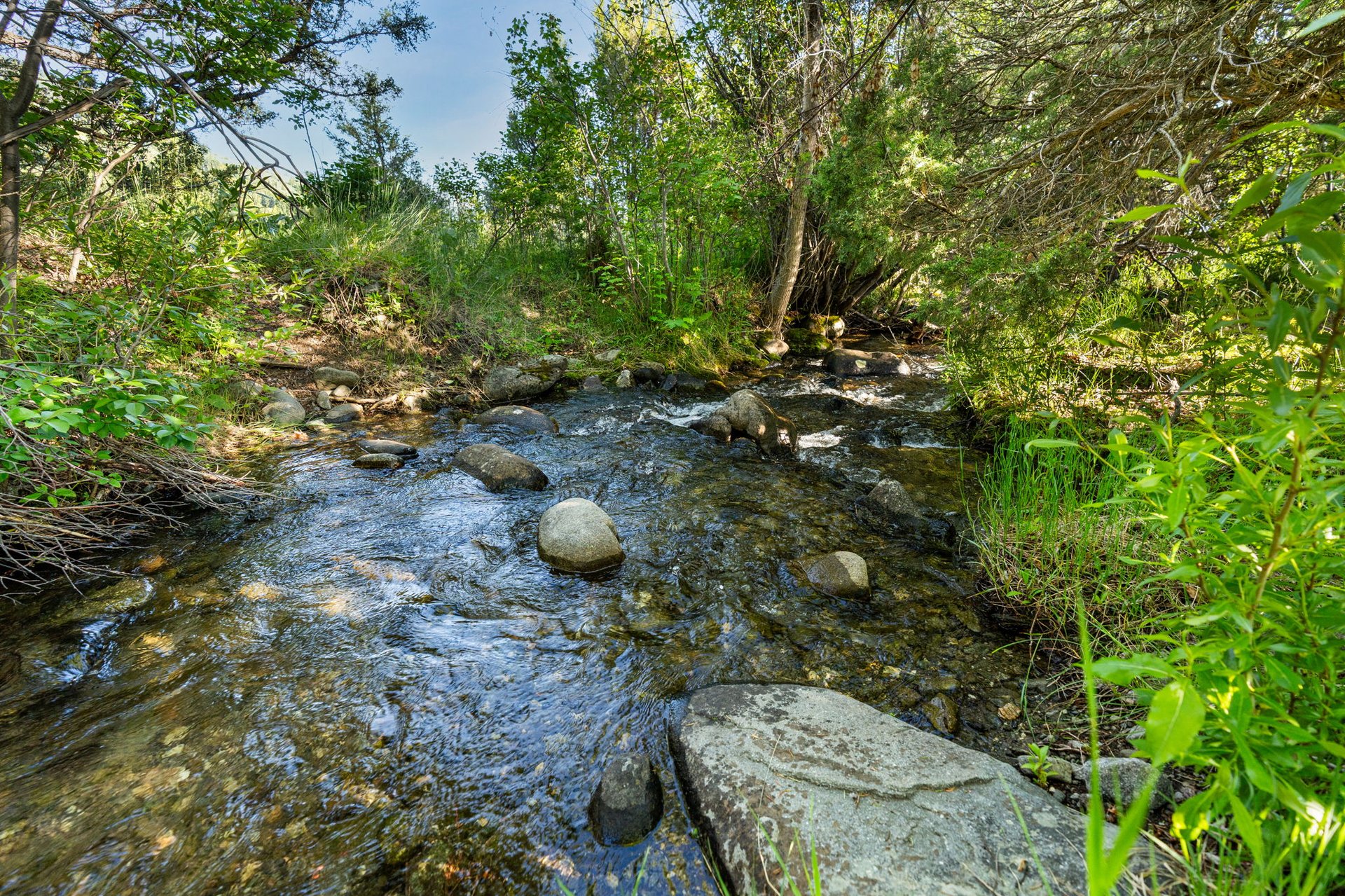 Why This Is the Part I Talk About
Because the land is the only piece of the transaction that cannot be improved, replaced, or undone, and because the people who love it here longest are the ones who understood early that they were caretakers rather than collectors.
I can tell you what a parcel costs and what comparable ground has traded for. What I would rather tell you is what the place needs, what it has already survived, and what condition you would be handing it off in. That conversation tends to produce buyers who stay.
The cowboy figured out that the country was the boss and the rest was just work. That has not changed. The only thing that has changed is how many people are now standing on the ridge trying to understand what they are looking at.
Charlotte Durham is the number one producing agent in the greater Bozeman area and ranks in the top one percent of brokers nationally. Charlotte Durham & Co., Big Sky Sotheby's International Realty, 424 E. Main Street, Bozeman.
We are passionately dedicated to creating an exceptional experience through effective communication and the best of marketing and project management technology. Each transaction is tailored to successfully exceed the goals of every buyer, seller, developer, and investor with which we collaborate.