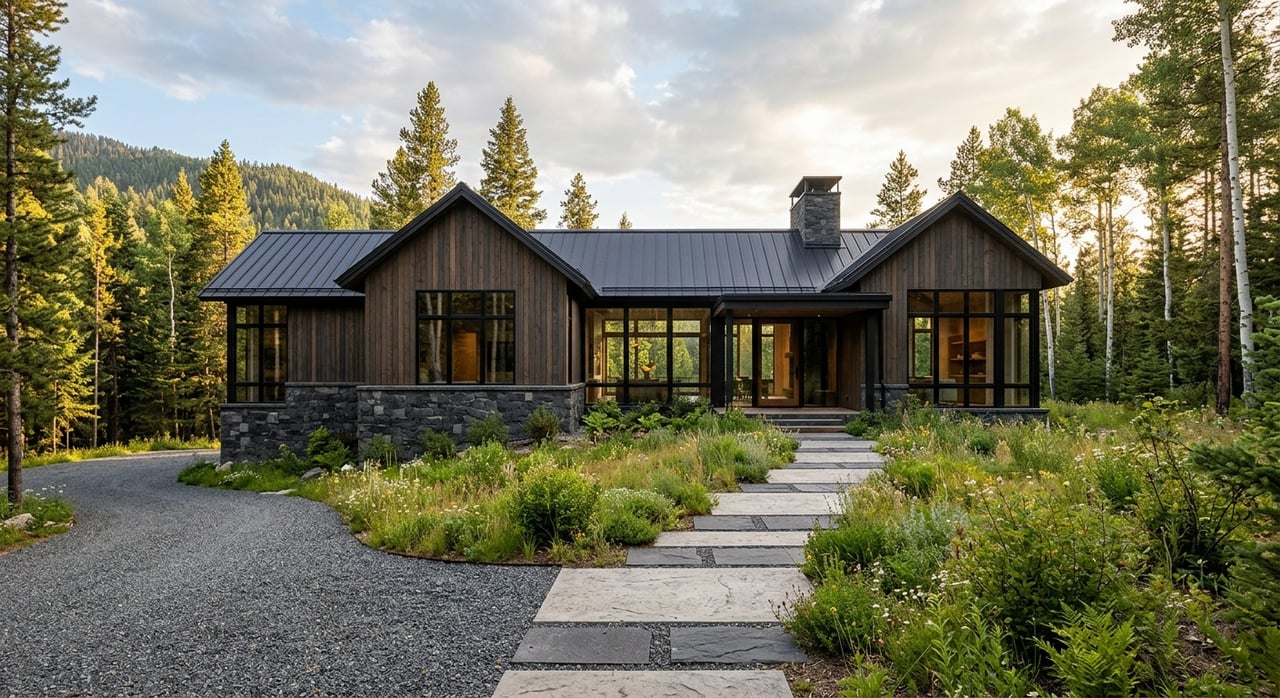
Living in Bridger Canyon: Mountain Estates Near Bozeman
July 2, 2026
July 2, 2026
If you want room to breathe without feeling far from Bozeman, Bridger Canyon deserves a close look. This is one of those places where the landscape shapes daily life, and where buying a home means thinking about privacy, access, and long-term stewardship as much as square footage. If you are exploring mountain estates near Bozeman, this guide will help you understand what makes Bridger Canyon distinct and what to expect from ownership here. Let’s dive in.
Bridger Canyon sits on the north side of Bozeman along the northern edge of the Gallatin Valley. Gallatin County describes it as a long, narrow valley with trout streams, rolling pastures, and forested foothills used year-round by residents and visitors.
That setting matters because Bridger Canyon is not just another edge-of-town growth area. Gallatin County treats it as a distinct planning area with its own zoning map, development guide, general plan, and specific regulations designed around the canyon’s rural mountain character.
For you as a buyer, that means the area has been shaped with intention. The county’s stated goals include preventing overcrowding, preserving scenic resources, maintaining water quality, protecting agriculture from urban encroachment, and keeping growth compatible with traffic, fire safety, and the canyon’s rural feel.
In Bridger Canyon, the term estate is not just marketing language. The zoning framework strongly supports low-density development, which is one of the clearest reasons the area feels private, spacious, and protected.
In the AE and RF districts, the minimum parcel size is 40 acres. In the base-area B-4 district, one dwelling unit is allowed per 40 acres, and accessory dwelling units are limited to one per parcel, up to 1,200 square feet, without separate sale or rental from the main home.
Those rules help explain why housing here often leans toward custom homes, ranch-oriented properties, and site-sensitive design rather than conventional suburban subdivision patterns. If you are looking for open space, fewer rooftops, and a stronger connection to the land, Bridger Canyon stands apart.
Gallatin County planning guidance says residences, commercial facilities, public buildings, and even street signs should fit the rural character of the canyon. That creates a more cohesive visual experience, especially compared with faster-growing areas that feel more suburban.
For many buyers, that is the point. You are not simply purchasing a home near Bozeman. You are buying into a landscape where scenic quality, lower density, and compatibility with the land are part of the ownership experience.
That can also influence the kinds of homes you will encounter. Expect a market that often favors carefully sited residences, larger parcels, and architecture that responds to views, topography, and natural surroundings.
One of Bridger Canyon’s strongest draws is how quickly recreation becomes part of your routine. The area gives you direct access to the Bridger Range and a year-round outdoor rhythm that is hard to replicate in town.
In winter, Bridger Bowl is a major lifestyle anchor. The ski area says it is about 16 miles from downtown Bozeman and roughly 30 minutes away depending on road conditions, with 2,000 acres of skiable terrain, 2,700 feet of vertical rise, and average seasonal snowfall of 300 inches.
That proximity can reshape how you spend your week. A powder morning or an afternoon ski session becomes much more realistic when the mountain is woven into your local geography rather than treated as a full-day destination.
Public-land access is another major advantage. The Bozeman Ranger District manages much of the Bridger Range, and trailheads like Battle Ridge, College M, Sypes Canyon, Middle Cottonwood, and Fairy Lake connect you to hiking, biking, horseback riding, and camping opportunities.
Bridger Canyon’s outdoor access feels rugged in a good way. Several trailheads are intentionally rustic, and some Forest Service sites note conditions like no potable water, icy winter access, or roads that may require extra caution or higher-clearance vehicles.
That is part of what gives the area its true mountain feel. Instead of a highly manicured park system, you get a landscape that still asks you to prepare, pay attention, and engage with the terrain on its own terms.
For many luxury buyers, that authenticity is a major draw. The experience feels grounded in Montana rather than packaged around convenience alone.
Living in Bridger Canyon offers privacy and beauty, but it also comes with practical tradeoffs. The main corridor, MT-86 or Bridger Canyon Road, is described by the Montana Department of Transportation as a scenic route through rural farmland and recreational areas.
Because it is a two-lane road, traffic capacity and seasonal conditions matter more here than they do in many in-town neighborhoods. If you are considering a home in the canyon, commute timing, winter traction, and road-condition awareness should all be part of your planning.
This does not mean the location is inconvenient. It means your daily routine may require a little more foresight, especially during winter weather or busy recreation periods.
That tradeoff is often worth it for buyers who prioritize space, scenery, and direct recreation access. Still, it is important to go in with a clear view of how mountain living differs from in-town Bozeman.
One of the most important things to understand about Bridger Canyon is that ownership here is often more site-specific. County regulations and planning guidance repeatedly emphasize wildlife habitat, erosion, water quality, and fire safety.
In practical terms, that means caring for property here can involve more than standard home maintenance. Access, drainage, defensible space, and seasonal conditions may play a larger role in how you evaluate a home and how you manage it over time.
For the right buyer, that responsibility is part of the value. You gain more privacy, more land, and a stronger relationship to the surrounding environment, but you also take on a more active role in caring for the property.
Bridger Canyon tends to appeal to buyers who want more than a convenient address. It is especially compelling if you are looking for a primary residence or second home that feels private, scenic, and closely tied to outdoor recreation.
You may be a strong fit for the area if you value:
You may want to think more carefully if you prefer quick errand access, simpler winter logistics, or a more suburban day-to-day rhythm. Bridger Canyon can be an exceptional choice, but it works best when your lifestyle lines up with the realities of mountain ownership.
Bridger Canyon is nuanced. Its zoning, land-use patterns, and ownership considerations are different from a typical Bozeman home search, and understanding those differences can help you make a smarter decision.
That is especially true in a market where parcel size, access, site conditions, and long-term use matter just as much as finishes and views. A home can look ideal online, but the details behind the setting often tell the real story.
Working with a team that understands luxury property, land, and the broader Gallatin Valley can help you compare options with more confidence. Whether you are searching for a private mountain retreat, a legacy property, or a home base near Bozeman with room to spread out, local insight makes a difference.
If you are considering a move to Bridger Canyon or exploring mountain estates near Bozeman, Charlotte Durham & Co. offers refined local guidance backed by deep Montana roots and a high-touch approach to luxury real estate.
We are passionately dedicated to creating an exceptional experience through effective communication and the best of marketing and project management technology. Each transaction is tailored to successfully exceed the goals of every buyer, seller, developer, and investor with which we collaborate.