Greater Bozeman vs Big Sky Homes: Find Your Best Fit
June 18, 2026
June 18, 2026
Are you torn between the energy of Greater Bozeman and the alpine pull of Big Sky? That choice is common for buyers who want a Montana home base that fits both daily life and long-term lifestyle goals. The good news is that each offers a distinct version of mountain living, and understanding those differences can make your decision much clearer. Let’s dive in.
If you zoom out, the biggest difference is rhythm. Bozeman functions as a more traditional year-round town with a historic downtown, established neighborhoods, and a broad civic calendar. Big Sky is a mountain resort community with three distinct areas, a smaller year-round population, and a lifestyle shaped more directly by recreation and visitor seasons.
That does not mean one is better than the other. It means each works best for a different kind of daily routine. If you want your home base to support frequent errands, regular flights, and an active in-town social life, Bozeman often feels easier. If you want skiing, wilderness access, and resort amenities to shape your week, Big Sky may feel more aligned.
Bozeman offers the feel of an everyday hometown with a strong sense of place. Downtown Bozeman describes itself as historic and highlights casual and fine dining, art galleries, unique retail, and recurring community events. That creates a denser, more walkable social pattern that many full-time residents value.
The city also has preserved historic districts that give different areas a distinct visual identity. Official city materials describe places like South Tracy and Cooper Park as areas with strong bungalow-era residential character, while other districts include larger homes on larger lots. If you are drawn to established streetscapes and a neighborhood-based feel, Bozeman has a clear advantage.
Big Sky is officially described as a mountain resort community, and that identity shapes daily life. With Canyon, Meadow, and Mountain areas, plus a year-round population of about 2,500 that grows in peak seasons, the community feels smaller and more resort-centered than Bozeman. For many buyers, that is exactly the appeal.
Outdoor access is not just nearby in Big Sky. It is central to how the community lives. Official visitor materials emphasize skiing, snowboarding, hiking, fly fishing, mountain biking, golf, rafting, and access toward Yellowstone, with the community located 15 miles north of the Yellowstone boundary.
For buyers who care about culture and social energy, the two markets offer different experiences. Bozeman has a strong walkable civic core, and the Downtown Bozeman Partnership highlights events such as Music on Main, Crazy Days, Restaurant Week, Cruisin’ on Main, and the Art Walk series. The Emerson Center for the Arts & Culture also anchors exhibitions, education, and events.
Big Sky has a real dining and arts scene as well, but the experience is more resort-oriented. Official sources note more than 50 restaurants, bars, and eateries and more than 40 shops, along with venues and events such as the Warren Miller Performing Arts Center, Music in the Mountains, galleries, and almost nightly live music. In peak seasons, reservations are highly recommended.
If you want a broader everyday calendar and a more traditional downtown rhythm, Bozeman stands out. If you prefer your social life to revolve around mountain villages, live music, and a resort atmosphere, Big Sky offers that in a very compelling way.
For many buyers, especially second-home owners and out-of-state clients, travel convenience can shape the entire ownership experience. Bozeman Yellowstone International Airport is located about five miles northwest of Bozeman, which gives Bozeman a clear practical edge for frequent flyers. If you expect to come and go often, that shorter connection can make a noticeable difference.
Big Sky remains very accessible, but the experience is more road-dependent. Official visitor information places Big Sky about 45 miles south of Bozeman on Highway 191 and about an hour from the airport. Transportation options include private shuttles, the Skyline Bus, and The Link between Big Sky and Bozeman, but winter road conditions can vary and rideshare services like Uber and Lyft are unavailable in Big Sky.
Both Bozeman and Big Sky are deeply tied to the outdoors, but they deliver that access in different ways. Bozeman often feels like town-plus-trailhead. Visit Bozeman calls Hyalite Canyon the recreational hub of Bozeman, and in winter its trail system offers 30 kilometers of groomed cross-country skiing.
Bridger Bowl is another major draw for Bozeman-based owners, with 2,000 skiable acres, more than 75 trails, and average seasonal snowfall of 300 inches. Add in Gallatin Valley Land Trust’s trail work connecting Main Street to the Mountains, and Bozeman offers a strong blend of convenience and recreation.
Big Sky leans more fully into recreation as a daily identity. Skiing and snowboarding are obvious anchors, but the community also highlights hiking, biking, rafting, fishing, snowmobiling, and Yellowstone access. If you want your home base to feel immersed in mountain recreation rather than adjacent to it, Big Sky often delivers that more directly.
Architecture can tell you a lot about how a place lives. In Bozeman, official city preservation materials describe a visible mix of early-20th-century home styles, especially in historic districts. Bungalows are strongly represented in areas like Cooper Park, North Tracy, and South Tracy, while the Bon Ton district includes larger homes on larger lots.
That pattern gives Bozeman many streets with an established, neighborhood-oriented character. Buyers often respond to that sense of history and variety, especially when they want an in-town residence or a home base that feels rooted in a traditional community fabric.
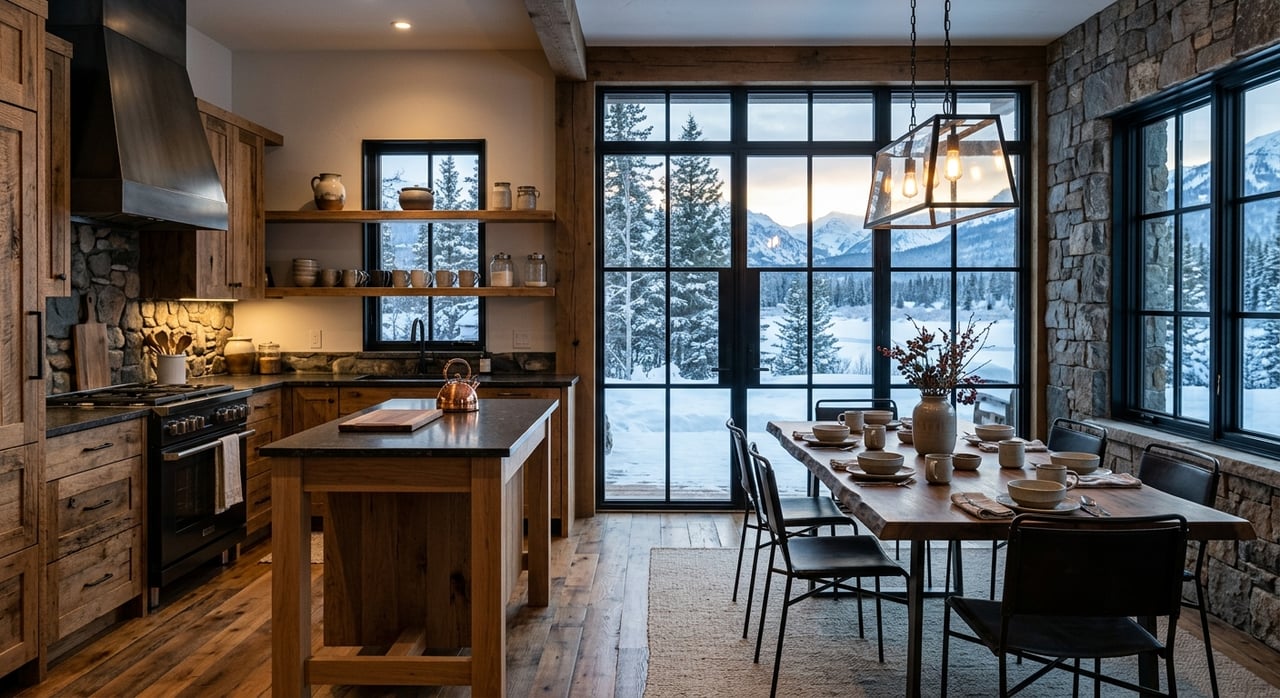
Big Sky presents a different residential image. Official community and resort materials emphasize low-rise alpine architecture, wood-and-stone palettes, fireplaces, contemporary kitchens, and indoor-outdoor living. The look is more recent and more amenity-led, with many homes and residences reflecting mountain modern or lodge-inspired design.
The right choice usually comes down to how you want to spend an average Tuesday, not just a holiday weekend. If your ideal home base includes frequent dinners downtown, easier airport runs, established neighborhoods, and a deeper year-round civic rhythm, Bozeman may be the stronger match. It tends to serve buyers who want Montana access with more everyday convenience.
If your ideal home base starts with skiing, trail access, mountain views, and a smaller resort community feel, Big Sky may be the better fit. It often resonates with buyers who want outdoor recreation to shape their schedule and who are comfortable with a more seasonal pace.
For some buyers, the smartest answer is not purely either-or. Because Bozeman and Big Sky are linked by Highway 191 and public or private transportation options, living in one while spending meaningful time in the other is realistic. That flexibility can open up more options, especially if you are balancing lifestyle goals with travel patterns and property preferences.
Choosing between Greater Bozeman and Big Sky is really about choosing the version of Montana living that fits you best. If you want guidance tailored to your goals, Charlotte Durham & Co. can help you compare neighborhoods, property styles, and lifestyle fit with the clarity that comes from deep local knowledge.
We are passionately dedicated to creating an exceptional experience through effective communication and the best of marketing and project management technology. Each transaction is tailored to successfully exceed the goals of every buyer, seller, developer, and investor with which we collaborate.